
 Interface Converters
 Power & Data Isolators
 GSM Devices
 Ethernet Converters
 Exclusive Innovations
 Data Loggers
 Controller Boards
 RFID Readers

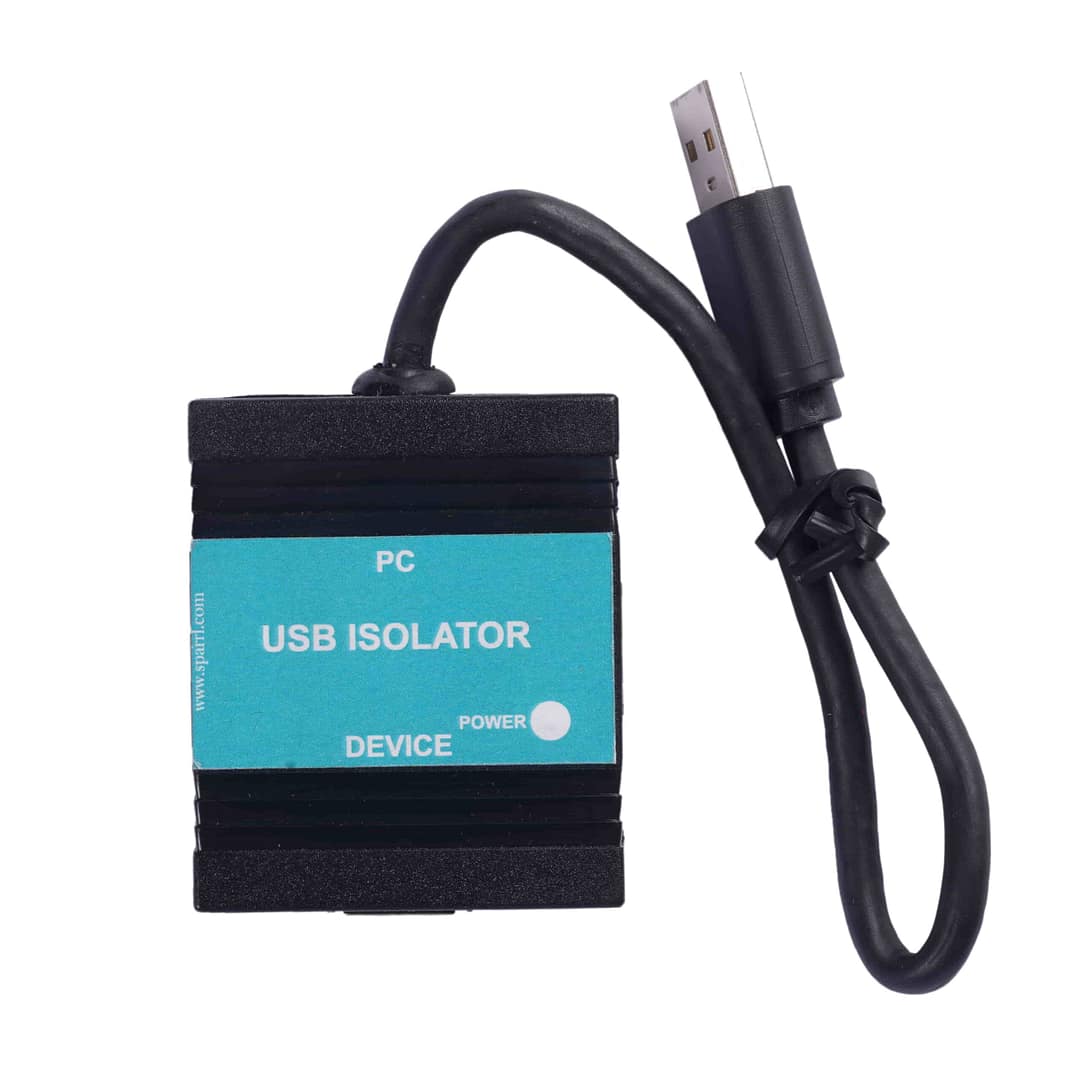
Two pieces of equipment on the same factory floor rarely share the exact same electrical ground. Cabling, distance, and different power sources all introduce small potential differences between “ground” at one end of a signal cable and “ground” at the other. Most of the time that difference is harmless. Occasionally — during a lightning event, a motor fault, or a wiring mistake — it isn’t, and current finds a path through whatever signal cable happens to connect the two systems. A signal isolator exists to make sure that path is broken.
What galvanic isolation actually means
Galvanic isolation breaks the direct electrical (conductive) connection between two circuits while still letting a signal pass between them — typically via a transformer, optocoupler, or capacitive barrier. The two sides can sit at wildly different ground potentials without current flowing between them. The signal gets through; the electrical fault path doesn’t.
When you actually need one
Isolation isn’t required for every connection, but a few situations call for it specifically:
- Long cable runs between buildings or across a large plant, where ground potential naturally varies with distance
- Connecting to equipment on a different power source — a different sub-panel, generator, or UPS
- Near variable-frequency drives, welding equipment, or large motors, which inject electrical noise onto shared grounds
- Protecting a sensitive host (a PC, PLC, or data logger) from a fault on the field-device side
If any of these apply to a link you’re building — including the RS232-to-RS485 links covered in our converter guide — isolating that link is worth the small extra cost versus the downtime a ground fault can cause.
Types of isolators, and what each protects
USB isolators
Sit between a PC/laptop and a USB-connected field device (many programming and diagnostic tools use USB). Protects the host computer — often the most expensive single item on the bench — from anything upstream on the device side.
Serial (RS232/RS485) isolators
Protect a serial link the same way, and are essential on any RS485 multi-drop bus that spans more than one building or power zone, since a fault anywhere on that bus can otherwise propagate to every device on it.
Analog signal isolators
Isolate 4–20mA or voltage instrumentation loops — common with sensors and transmitters — so a fault at the field sensor can’t feed back into the control system reading it.
What to check on a datasheet
- Isolation voltage — the rated withstand voltage between the two sides; higher means more protection margin
- Isolation type — optical/transformer-based isolation is standard and reliable; confirm it’s not just a “shared ground with a filter” marketed as isolation
- Signal integrity at your baud rate/frequency — some isolation methods introduce latency that matters at higher data rates
- Power — most isolators are bus- or externally powered; check which side needs to supply it
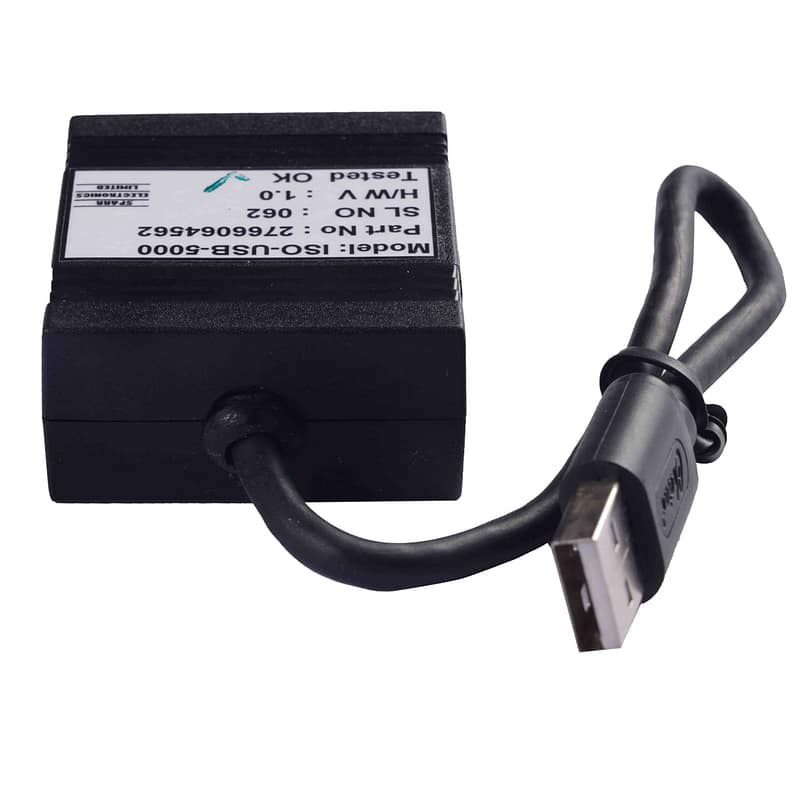
Sparr’s USB Isolator and the rest of our isolator range — including RS232/RS485 and analog signal isolators — are built with real galvanic isolation rated for industrial ground-fault protection, not a cost-reduced approximation of it.
Unsure whether a specific link in your system needs isolation? Describe your setup and we’ll tell you plainly whether you need it.